
When faced with a severely infected or painful tooth, patients often ask us: "Can't you just pull it out?" The desire to end the pain immediately is understandable. However, as dental professionals, our goal is always to save your natural teeth whenever possible. The procedure to do this is the infamous, but misunderstood, Root Canal Treatment.
In this article, we will debunk the myths surrounding root canals, compare them to extractions, and explain why saving your tooth is usually the best long-term investment for your oral health.
What is a Root Canal?
Inside every tooth, beneath the white enamel and the hard dentin, is a soft tissue called the pulp. The pulp contains blood vessels, nerves, and connective tissue. When a tooth has a deep cavity, a crack, or trauma, bacteria can enter the pulp, causing it to become infected and eventually die.
Experiencing these symptoms?
Delaying treatment can lead to tooth loss. We have slots available today.
This infection builds up pressure inside the tooth (causing severe pain) and can form an abscess at the root tip in the jawbone. A root canal treatment essentially involves:
- Numbing the tooth completely (so you feel nothing).
- Making a small opening in the top of the tooth.
- Removing the infected or dead pulp tissue.
- Cleaning and disinfecting the canals inside the roots.
- Filling and sealing the space to prevent bacteria from returning.
Myth: Root Canals are Painful
This is perhaps the biggest myth in dentistry. Decades ago, before modern anaesthetics, root canals may have been uncomfortable. Today, the procedure is practically painless. In fact, a root canal relieves pain; it doesn't cause it. The pain you feel is coming from the infection before the treatment. Once the dentist removes the infected nerve, the pain stops almost instantly.
The Option of Extraction
Extraction means removing the tooth entirely. While this does solve the immediate problem of infection, it creates a host of new, long-term issues:
Meet Dr. Yasha Shirazi
Principal Dentist at Emergency Dentist London
"We treat hundreds of dental emergencies every month. The sooner you come in, the easier the fix usually is."
Book an appointment with our team →- Bone Loss: The jawbone needs the stimulation of chewing on a tooth to maintain its density. When a tooth is removed, the bone in that area begins to melt away (resorb) over time.
- Shifting Teeth: The teeth next to the gap will start to drift and tilt into the empty space. The opposing tooth above or below may also over-erupt (grow downwards/upwards) because it has nothing to bite against. This messes up your bite alignment.
- Chewing Difficulty: Losing a molar significantly reduces your chewing efficiency, potentially affecting digestion and diet.
- Aesthetics: Missing teeth can cause the face to look sunken and aged.
The Cost Comparison: Short Term vs Long Term
Patients often choose extraction because it is cheaper upfront. An extraction might cost £150-£300, whereas a root canal and crown might cost £700-£1200.
However, this is a false economy. Once the tooth is gone, replacing it is expensive. To restore function, you will need:
- A Dental Implant: Costing £1750 - £3000.
- A Dental Bridge: Costing £1000 - £2500 and requiring cutting down healthy adjacent teeth.
- A Denture: Which can be uncomfortable and loose.
Therefore, spending money to save the tooth now via root canal is almost always cheaper than replacing the tooth later.
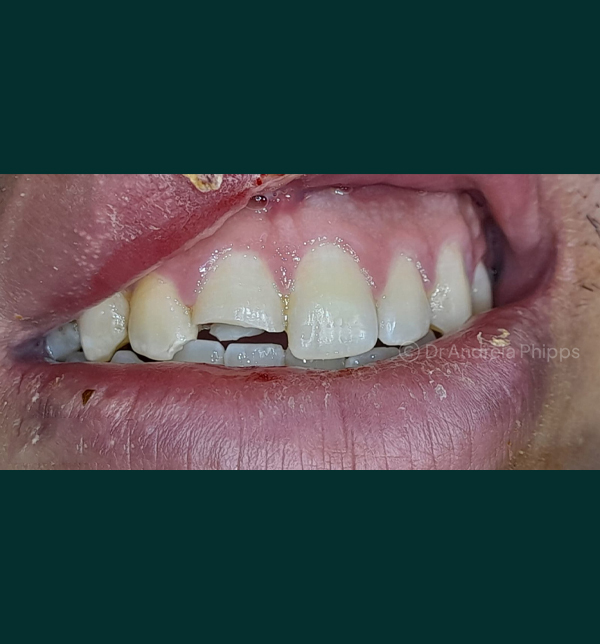
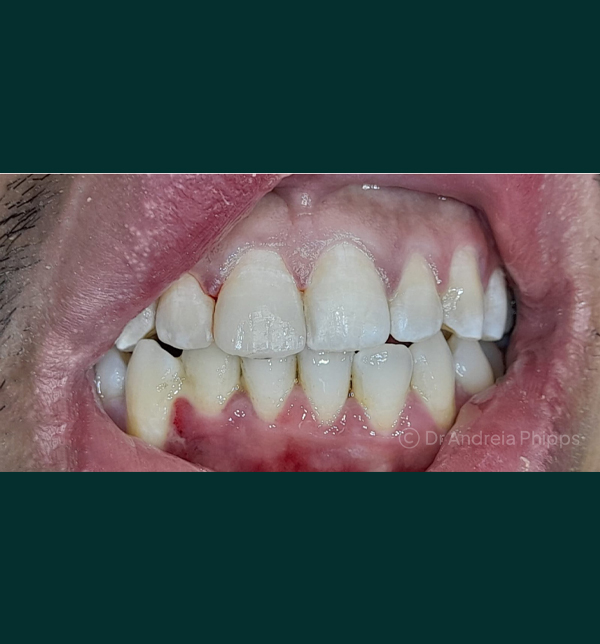
Real Patient Result: Emergency Bonding
When is Extraction the Better Choice?
There are valid reasons to extract a tooth:
- Vertical Root Fracture: If the tooth is cracked below the gum line, it cannot be sealed and must be removed.
- Severe Bone Loss: If gum disease has destroyed too much bone support, the tooth may be too loose to save.
- Wisdom Teeth: As they are non-functional, we usually extract them rather than treat them.
- Financial Constraints: If a patient strictly cannot afford restorative work, extraction removes the infection and health risk.
Conclusion
Your natural teeth are superior to any replacement option available today. Nothing feels, functions, or looks quite like the real thing. If you have the option to save a tooth with a root canal, we highly recommend it. It preserves your jawbone, your bite, and your smile.
If you have a painful tooth, don't decide its fate alone. Book an emergency appointment with us, and we will perform a thorough assessment to present all your options clearly.